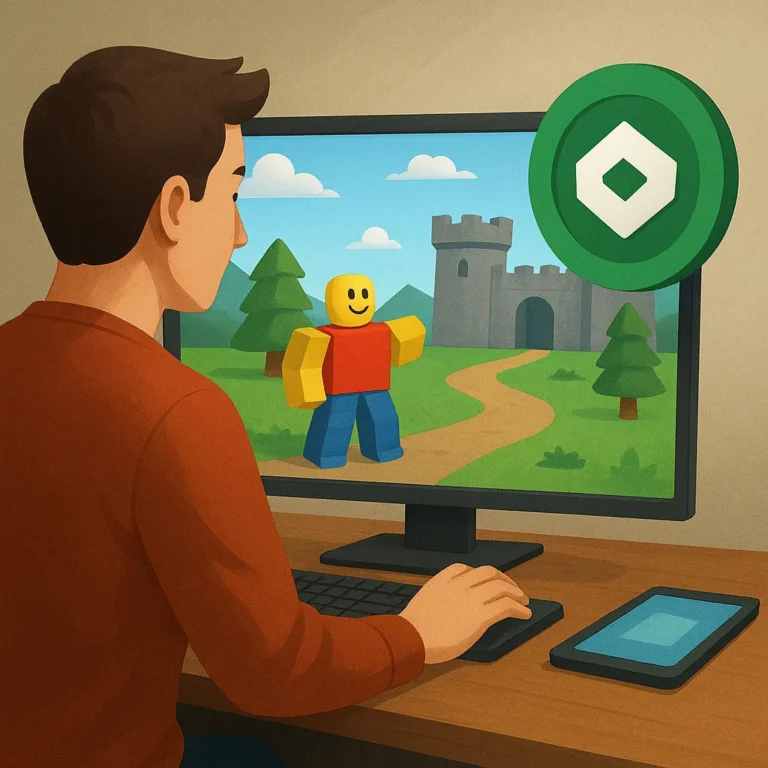
Building a Roblox experience can be a realistic long-term route toward Robux, but it is not an instant reward system. Creators earn attention first by solving a problem, entertaining players, or offering a memorable world. From there, approved Roblox features may help turn engagement into revenue, depending on eligibility, purchases, and platform rules. This guide focuses on the work behind that process: choosing a manageable idea, learning the tools, designing for returning players, and reviewing performance without chasing shortcuts. It also explains why small experiments are often better than an oversized project. A successful experience grows through useful updates and trust, not promises of unlimited currency. Players who become creators should protect their accounts and treat every earning claim with care they would apply to any business.
Start with a focused experience idea
A strong first project does not need a massive map or dozens of features. Choose one clear promise, such as a short obstacle course, a cooperative survival challenge, or a simple simulator with a satisfying upgrade loop. Define the player’s first five minutes before opening Studio: what they do, what they learn, and why they might continue. A narrow concept makes testing easier and prevents unfinished systems from overwhelming the project. Study similar experiences for structure, not for copying assets or branding. Your goal is to identify an underserved angle, then build a small playable version that friends can understand without a long explanation.
Learn the tools in a practical order
Roblox Studio rewards steady practice more than a single burst of enthusiasm. Learn the interface, parts, terrain, lighting, basic scripting, and testing workflow in order. Start with tutorials or documentation, then change each example so you understand why it works. Simple Lua scripting can control checkpoints, doors, timers, inventories, and progression, but reliability matters more than complexity. Test on different devices because a feature that works on a computer may feel awkward on a phone. Keep backups and use clear names for assets and scripts. These habits reduce bugs, make updates faster, and give you a foundation for building features players can trust.
Design value before planning monetization
An experience earns attention when returning feels worthwhile, not when a screen pushes a purchase. Create a clear first objective, readable menus, fair rewards, and progress that can be understood without guides. Add features that improve expression or convenience while keeping the core activity enjoyable for players who spend nothing. Before planning monetization, review Roblox’s creator policies and eligibility requirements; available programs and revenue rules can change. Measure where players leave, which activities they repeat, and whether updates solve frustrations. Feedback from a testing group is more useful than chasing a visit spike or copying a trend that does not fit your game.
Use updates to build lasting attention
Growth usually comes from a repeatable update rhythm rather than one dramatic launch. Plan a small roadmap with fixes, quality improvements, and occasional content additions that match your available time. Announce changes clearly inside the experience or through an appropriate community channel, and explain what is new without promising impossible rewards. Watch performance after each release: crashes, confusing onboarding, and long loading times can damage trust faster than a missing cosmetic feature. Encourage useful feedback by asking specific questions, then separate common problems from personal preferences. If the project begins to attract players, document your process so collaborators can help without losing the original vision.
Protect your account and expectations
Robux expectations should remain realistic because revenue depends on player behavior, platform eligibility, and the quality of the experience. Never buy a developer tool from an unverified seller, share your password, or accept promises that bypass Roblox systems. Use account security features, limit permissions for collaborators, and keep payment or payout information private. Parents can help by reviewing spending settings and discussing why legitimate earnings take time. Treat every offer as a claim to verify, not a shortcut to believe. Building skill is valuable even before a project earns anything, because the same design and scripting habits can support future experiences.
Where to continue your research safely
To keep researching, review Roblox Creator Hub documentation Roblox Creator Hub and compare which option makes the most sense for your situation.
Key criteria to compare before you decide
A good decision depends on more than a first impression. Compare total cost, timing, reputation, effort required, and the clarity of the offer conditions. When those criteria are visible together, it becomes easier to tell whether an option solves the problem or only looks attractive at first.
How to use this guide for your next step
Review the criteria before moving forward
Understand how creators can develop useful Roblox experiences and work toward Robux through long-term value calls for context, comparison, and patience. Use the points above as a practical checklist: revisit your goal, look for concrete signals, and move forward only when the choice fits your current needs.